۱۳۹۶ مرداد ۳, سه‌شنبه

Deadly strike hits Syria rebel town despite truce: monitor

Syrian children wait to receive treatment at a make-shift hospital after they were injured in shelling on the rebel-held town of Arbin, east of the capital Damascus, late on July 24, 2017

AFP, 25 July 2017 - An air strike killed eight civilians late Monday in a rebel-held town east of Damascus where a truce was supposed to have taken effect at the weekend, a monitor said.
Three children and a woman were among the dead in the 11:30 pm (2030 GMT) strike on Arbin in the Eastern Ghouta rebel enclave where the government declared a ceasefire on Saturday, the Syrian Observatory for Human Rights said.
Observatory chief Rami Abdel Rahman said either government warplanes or those of its Russian ally carried out the strike, which also wounded at least 30 people.
The truce announced for Eastern Ghouta on Saturday was the second unveiled under an agreement struck by government allies Iran and Russia and rebel backer Turkey in May.
A similar ceasefire was announced for southern areas of Syria on July 9.
Under the agreement, so-called 'de-escalation zones' are planned for four key battlegrounds between government forces and the rebels.
But there have been disagreements over their borders and who will police them.
Russia said on Monday that it had set up two checkpoints and four observation posts in Eastern Ghouta to monitor the ceasefire.

Rouhani Praises IRGC in Meeting With Top Terror Commanders

The IRGC commanders updated Rouhani with the latest activities of the IRGC and thanked the government for its support for their forces.


IRAN,24 July 2017--  Hassan Rouhani , the Iranian regime's President, on Monday met senior commanders of the regime's Islamic Revolutionary Guards Corps (IRGC) and praised them. Major General Mohammad-Ali Jafari, the commander of the IRGC, and Major General Qassem Soleimani, the commander of the IRGC's Quds Force – two top terrorists - were both at the meeting.
The Iranian regime's state-media reported on Monday that during the meeting Rouhani called for unity among the regime's armed forces in order to pursue the agenda set out by the mullahs' Supreme Leader Ali Khamenei.
The reports added that the IRGC commanders updated Rouhani with the latest activities of the IRGC and thanked the government for its support for their forces.

۱۳۹۶ تیر ۳۱, شنبه

Video: Iraq's Mosul: Rebuilding a city fractured by sectarian mistrust

Iraqs Mosul Rebuilding a city fractured by sectarian mistrust

FRANCE  24, JULY 21, 2017-- The battle for Iraq's second city of Mosul is officially over and the Islamic State group is defeated, according to the army. But the city is still seeing sporadic suicide attacks. Meanwhile, new challenges lie ahead: clearing the rubble and defusing mines before rebuilding homes and infrastructure. But perhaps the most difficult task of all will be to repair a society fractured by sectarian mistrust. FRANCE 24's Simona Foltyn reports from Mosul

/21/2017 9:33:54 PM

اخطار دونالد ترامپ: اگر رژیم ایران شهروندان آمریکایی را آزاد نکند با عواقب جدی مواجه می‌شود

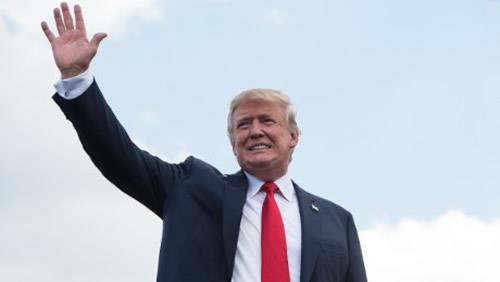
دونالد ترامپ رئیس جمهور آمریکا


کاخ سفید شب گذشته 30تیر 96 با صدور بیانیه‌یی اعلام کرد:‌
دونالد ترامپ و کابینه وی در حال افزایش تلاشهای خود برای بازگرداندن تمامی آمریکاییانی هستند که به‌طور ناعادلانه‌یی در ایران به‌گروگان ‌گرفته‌ شده‌اند. آمریکا، گروگان‌گیرها و کشورهایی که به گروگانگیری ادامه می‌دهند و اتباع آمریکا را بدون دلیل عادلانه یا روند قانونی بازداشت می‌کنند محکوم می‌کند.
در بیانیه کاخ سفید آمده است: برای نزدیک به چهل سال، رژیم ایران از بازداشت و گروگانگیری به‌عنوان یک ابزار سیاست دولتی استفاده کرده است، عملکردی که تا امروز با محکومیت ژی یو وانگ Xiyue Wang به ده سال زندان، ادامه دارد.
دونالد ترامپ مصرانه از رژیم ایران می‌خواهد تمامی آمریکاییانی را که به‌طور ناعادلانه زندانی شدند آزاد کند.
دونالد ترامپ آماده است تا مجازاتهای جدی علیه رژیم ایران اعمال نماید مگر این‌که تمامی اتباع آمریکایی زندانی در ایران آزاد شده و برگردانده شوند.
این هفته خزانه‌داری آمریکا تحریمهای جدیدی علیه رژیم ایران برای فعالیت موشکی، بی‌ثبات سازی در خاورمیانه و نقض حقوق‌بشر صادر کرد.

۱۳۹۶ تیر ۲۹, پنجشنبه

Trump Grapples With the Iran Deal

Donald Trump, Iran deal rally bad


Newsmax, 20 Jul 2017 - A virtual war for Washington broke out last week. Principals in the administration were in a battle over whether to certify Iran was in accord with U.S. law and terms of the nuclear deal. On one side were President Trump, Steve Bannon, Trump’s chief strategist, and CIA Director Mike Pompeo; they urged Trump to change course and say Iran was not in accord, per the AP.
The other side included Secretary of State Tillerson and the generals, Jim Mattis at Defense, and H.R. McMaster at the White House, Joseph Dunford, Chairman of the Joint Chiefs of Staff, as well as the other major powers involved in the nuclear accord — Britain, China, France, Russia, and Germany. (Contrary to conventional wisdom, the deal was not a signed document.)
The bottom line up front: President Trump controls Iran policy of certification to the Congress that Iran had met the relevant conditions of U.S. law and the nuclear accord. But at what cost? Read on!
The Facts
State, Treasury and Justice designated 18 individuals and entities they said were involved in activities including missile development, weapons procurement, and software theft. However, there is confusion over the facts about certification.
The 2015 Corker-Cardin certification requires the Trump administration certify every 90 days Iran has met four conditions related to the nuclear deal: Tehran is implementing the deal; Iran is not in material breach; is not advancing its nuclear weapons program; and sanctions relief is appropriate as well as vital for U.S. national security.
Corker-Cardin does not require certification Iran is complying with the nuclear deal. It allows certification to the Congress, even if Tehran is violating the deal.
On July 17, President Trump certified Iran had met the four Corker-Cardin conditions, not that Tehran was complying with the nuclear deal. Trump had officials remove language suggesting Iranian compliance, certification that included a list of Iranian violations. Otherwise the president was going to reject certification.
In two email messages to me (and others) on July 19, Omri Ceren of The Israel Project (TIP) said Tehran’s cheating does not make an immediate political difference: So long as the Corker-Cardin conditions for certification are met, the deal stays in place, despite Iran’s noncompliance. But Tehran’s cheating does make an enormous policy difference, all the way up to gutting the deal.
“Systematic noncompliance at the margins, never enough to breach the deal all at once, can enable Iran to erode a range of restrictions on centrifuges, nuclear material, [and] weapons,” until the cumulative effect is to reduce the time needed to build a deliverable nuclear bomb to a few weeks, per the email from Ceren.
Also see an Associated Press story, “Trump lets Iran deal live, but signals he may not for long.” Trump was eager to declare Iran in breach of the nuclear deal but was talked out of it by national security aides who rushed to the Oval Office to persuade him as a midnight deadline approached, administration officials say.
Trump agreed to let the issue go, but only for a few more months, and only after last-minute changes to distance him further from the deal. Rather than say, as planned, Iran was living up to its end of the deal, his aides found a way to let the deal continue for now without technically confirming Iran is complying. Team Trump followed up the announcement with new, nonnuclear sanctions on Iranians citizens on Tuesday to show he is serious about confronting Tehran.
The compromise, relayed to the Congress in the final few hours before the deadline, lets Iran continue enjoying relief — for now — from nuclear sanctions lifted as part of the 2015 deal. It also gives Trump some cover to declare publicly that Iran is violating “the spirit” of the deal, preserving a potent argument should he ultimately decide to exit the accord, per the AP.
The argument that ultimately won out: Letting Iran keep its sanctions relief — thus fulfilling U.S. obligations under the deal — without using the word “complying.” Trump and other critics pointed to minor infractions by Tehran to say it’s in violation of restrictions on nuclear development, although the International Atomic Energy Agency that monitors the deal says Iran is broadly complying, per the email correspondence from Ceren referenced above. A shout-out to him for providing many journalists and scholars information and his take on the facts.
The Way Forward
At issue now is the State Department’s annual Counterterrorism Report, which was announced June 19, for the year 2016. Regarding Iran, it repeats the history of Tehran’s designation as a State Sponsor of Terrorism in 1984 and brings that history forward to 2016:
Iran continued its terrorist-related activity in 2016, including support for Hizballah, Palestinian terrorist groups in Gaza, and various groups in Syria, Iraq, and throughout the Middle East. Iran used the Islamic Revolutionary Guard Corps‑Qods Force (IRGC-QF) to implement foreign policy goals, provide cover for intelligence operations, and create instability in the Middle East. Iran has acknowledged the involvement of the IRGC-QF in the conflicts in Iraq and Syria and the IRGC-QF is Iran’s primary mechanism for cultivating and supporting terrorists abroad.
Also see Country Reports on Terrorism 2015. Under President Obama prior reports from State detailed Iran’s misbehavior, but the pursuit of the nuclear deal seemed at odds with State’s catalog of Tehran’s actions. But for President Trump, his skepticism about the accord is bound to be more consistent with the State Department’s details of Iran’s misbehavior than for Obama.
And with respect to State’s tougher line against Iran, consistent with President Trump’s wishes, Heather Nauert, Department’s Spokesperson, on July 18 said:
Iran’s continued malign activities outside the nuclear issue undermine the positive contributions to regional and international peace and security that the deal was supposed to provide. The United States will continue to use sanctions to target those who lend support to Iran’s destabilizing behavior and above all, the United States will never allow the regime in Iran to acquire a nuclear weapon.
As stated above in the bottom line up front — President Trump controls Iran policy. The policy is that Washington certifies to the Congress, even if Tehran is violating the deal, not that Iran is in compliance with the deal.
But what cost does this American policy incur? The price might be loss of American leadership with its closest allies that are party to the nuclear accord. They include Britain, France, and Germany. But where can the allies turn? Surely, not to China and Russia, the other two parties in the deal. So, the benefits outweigh the costs by a wide margin.

Prof. Raymond Tanter (@AmericanCHR) served as a senior member on the Middle East Desk of the National Security Council staff in the Reagan-Bush administration, Personal Representative of the Secretary of Defense to international security and arms control talks in Europe, and is now Professor Emeritus at the University of Michigan. Tanter is on the comprehensive list of conservative writers and columnists who appear in The Wall Street Journal, Townhall.com, National Review, The Weekly Standard, Human Events, The American Spectator, and now in Newsmax.

طرح نمایندگان کنگره آمریکا برای تشدید تحریم حزب‌الله لبنان و حامی اصلی آن رژیم ایران

ادرویس، رئیس کمیته امور خارجی مجلس نمایندگان آمریکا_آرشیو


قانونگذاران جمهوریخواه و دموکرات روز پنجشنبه طرحی را ارائه کردند که خواهان افزایش تحریمها علیه حزب‌الله لبنان می‌باشد. آنها می‌گویند حزب‌الله خشونت در سوریه را دامن می‌زند و مشغول انبار کردن موشک است.
این طرح که ضمیمه تحریمهای موجود علیه حزب‌الله است خواهان محدودیتهای بیشتری علیه توانمندی جمع‌آوری مالی و عضوگیری این گروه است و فشار بر بانکهایی که به این گروه کمک می‌کنند افزایش می‌دهد. این طرح همچنین مجازات رژیم ایران و کشورهایی که از حزب‌الله حمایت می‌کنند گسترش می‌دهد.
طرح نمایندگان کنگره آمریکا از رئیس‌جمهور این کشور می‌خواهد تا به کنگره گزارش کند آیا مؤسسات مالی رژیم ایران در حال تسهیل معاملات مالی حزب‌الله هستند یا نه و خواهان اعمال تحریمها علیه این گروه به‌خاطر فعالیتهای جنایی آن است... 
ادرویس رئیس کمیته روابط خارجی مجلس نمایندگان آمریکا در بیانیه‌یی اعلام کرد:‌ این تحریمها شبکه مالی حزب‌الله و معاملات مالی جنایی آن را شدیداً محدود می‌کند و همچنین حامیان آن و مهمتر از همه رژیم ایران را مورد مجازات قرار می‌دهد“.
نمونه یی از این طرح در مجلس نمایندگان و همچنین در سنای آمریکا ارائه شده است.
این طرح در مجلس نمایندگان توسط اد رویس و الیوت انگل عضو ارشد دموکرات کمیته روابط خارجی مجلس نمایندگان و در سنای آمریکا توسط سناتورها مارکو روبیو و جین شاهین از اعضای کمیته روابط خارجی سنا ارائه شده است...

۱۳۹۶ تیر ۲۷, سه‌شنبه

Trump Administration Says There's Been No Change to 'Iran's Malign Behavior'

Secretary of State Rex Tillerson


Weekly Standard, 17 July 2017 - The Trump administration called Iran “one of the most dangerous threats to United States’ interests” and a senior administration official said that that the United States has “not seen any change to Iran’s malign behavior in the region” since the implementation of a multi-national agreement to stop the regime’s nuclear weapons ambitions. The administration will nevertheless certify Iran’s adherence to the nuclear deal, officially known as the Joint Comprehensive Plan of Action, on Monday.
“Iran remains one of the most dangerous threats to United States’ interests and to regional security and stability,” said a senior administration official on Monday. The official listed several non-nuclear-related malign activities and violations to international norms, including a recent case in which a U.S. citizen and academic arrested in Iran was sentenced to 10 years in prison on dubious charges of spying.
“These Iranian activities severely undermine the stated goal of the JCPOA nuclear deal to contribute to ‘regional and international peace and security.’ Clearly, as the president has said multiple times, Iran is in default on the spirit of that agreement,” said the official.
A second senior administration official said the United States would be issuing new non-nuclear sanctions on Iran, “designating 16 entities and individuals for engaging in support of illicit Iranian actors or transmissional criminal activity.”
These actions and rhetoric from the administration come as Secretary of State Rex Tillerson prepares to recertify the JCPOA, as mandated by Congress, on Monday. Federal law requires the administration to certify Iran is fulfilling the narrow provisions of the nuclear deal, which President Barack Obama forged and signed back in 2015. President Trump, who campaigned against the Iran deal, is reportedly frustrated with the decision to recertify, which he views as verification that Iran is complying with the deal. Indeed, there is an incoherence to recertifying the deal while noting Iran’s violations that even White House officials acknowledge.
A senior official said Monday the administration will be “addressing” the JCPOA’s flaws with European allies. “What we’re not going to do is look the other way on Iran’s destabilizing behavior in the region,” said the official. “We’re working with our allies and our partners for meeting these objectives as well as addressing some very significant flaws in the JCPOA, especially the sunset clause but also the fact that existing restrictions were inadequately enforced. And so looking at enforcement mechanisms to make sure they're fully used.” The “sunset clause,” perhaps one of the most despised elements of the nuclear deal by its opponents, puts time limits on the restrictions on Iran’s development of its nuclear weapons program.
Tillerson has reportedly told the top Republican senator on the Foreign Relations Committee that he wants a “different agreement” with Iran. This, the administration says, is just a part of its ongoing interagency review of Iran policy, which is being headed by the National Security Council. Asked when the review will be completed, a senior administration official reiterated it is “ongoing.”
“I think in about a month or so is when we’re going to bring the whole package to the president, but we’ve been bringing him the work that we’ve undertaken that work,” the official said.